The Participatory Economy
What if you OWNED the things you help build?
The Dallas Airport Moment

The Dallas Airport Moment
In 2015, I flew to Dallas for an entrepreneur event. I’d heard the pitch: “Let’s collaborate. Let’s build something big together.” I walked in excited. I walked out pissed. The room was full of smart people. Ideas flying. But no one could actually work together. Egos. Silos. One guy wanted control. Another wanted credit. Another wanted the cash. No trust. No shared upside.
I stood in line to board my Southwest flight back to Houston, still fuming. Right there in the terminal, the thought hit: somebody’s got to fix this. Then another thought: wait a minute. If somebody needs to fix this, why doesn’t that somebody be me?
“Why not me?”
kulaBrands: The Analog Proof
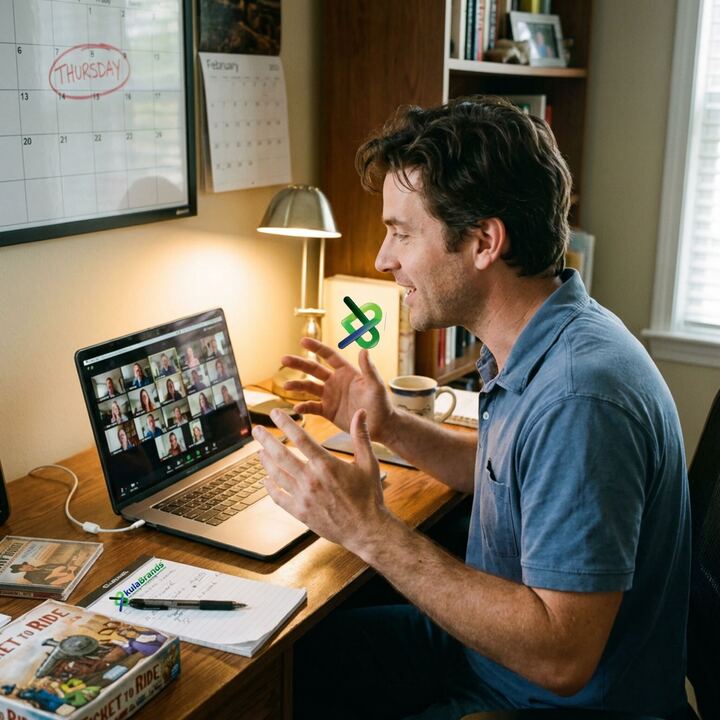
When I got home, I didn’t just think about it—I launched a version of it. Called it kulaBrands. No blockchain. No tokens. Just the core loop: entrepreneurs bring their product, our community crowdsources funding, markets through personal social channels, buys early, gives feedback. In return, the creator pays a perpetual royalty—cash, wired every month—from sales revenue.
It was simple, analog, real-world. Some projects got traction. A techie charging cord did well. An aspiring country artist cut his first album. But when people had real royalties coming in—even twenty-three dollars a month—they showed up differently. They cared.
“It’s not life-changing money, but it feels different than my paycheck”
— Sharona, kulaBrands member
kulaBrands: The Analog Proof
The Web3 Click
The Web3 Click
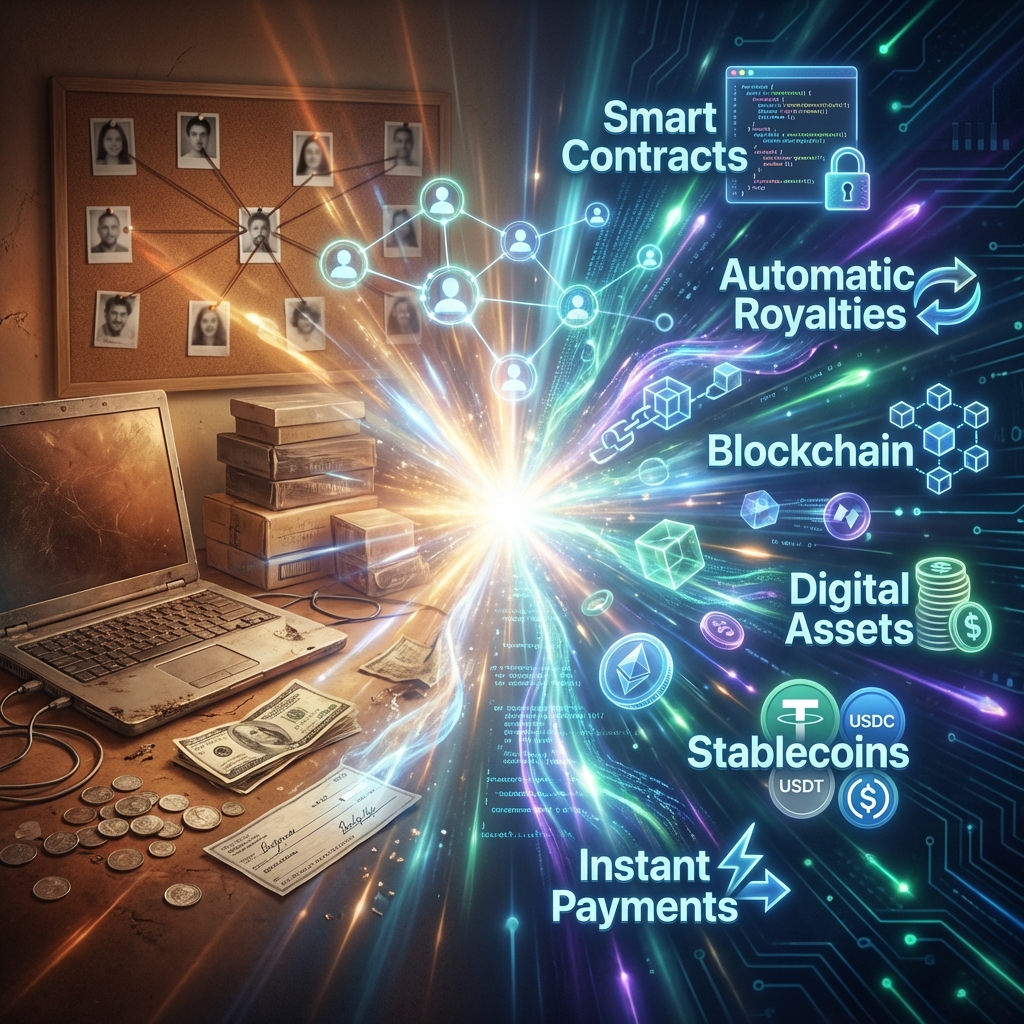
A few years later, I found crypto. At first it felt like gambling. Then I listened to Reeve Collins talk about Web3. He said something that stopped me cold: this isn’t just money. It’s the infrastructure for community as commerce. That’s when it clicked: crypto and blockchain could take what I started with kulaBrands and make it global, automatic, and unstoppable.
Smart Contracts
Automatic royalties
Blockchain
Tracks contribution
Digital Assets
Tracks contribution
Stablecoins
Instant payments
How It Actually Works
The Loop
PARTICIPATE
Use product, share it, give feedback, buy regularly
EARN
Digital assets that pay monthly residuals + grow in value + give you votes
COMPOUND
Royalties flow. Wallet grows. Reinvest.
Success Stories
Real People. Real Results.

Success Stories
Real People. Real Results.

Dawn’s Story
Mississippi Single Mom • Utherverse Participant
Dawn got involved with Utherverse, a metaverse platform in early development. She supported the platform, bought early adopter digital assets, invited friends to join and play, and stayed engaged on their socials. In return, she got more digital assets for bringing users to the project. Over two years as the platform was being built for wide release, those digital assets grew in value every month.
Result: Tens of thousands of dollars in value
“No boss. No nine-to-five. Just participation.”
Kristoffer’s Story
Norwegian Student • Bitcoin Early Adopter
In 2009, 25-year-old Norwegian student Kristoffer Koch was working on a thesis related to encryption and bought $27 worth of Bitcoin out of curiosity. He ended up buying around 5,000 BTC. Like many early adopters, Koch completely forgot about the purchase until 2013, when news about Bitcoin’s soaring value reminded him. When he checked, he realized his 5,000 Bitcoins were now worth around $886,000.
Result: $27 → $886K → Millions
“Set it and forget it—new meaning!”
Kristoffer’s Story
Norwegian Student • Bitcoin Early Adopter

Jody’s Story
79-Year-Old Retiree • WeFi Pioneer
Jody’s Story
79-Year-Old Retiree • WeFi Pioneer
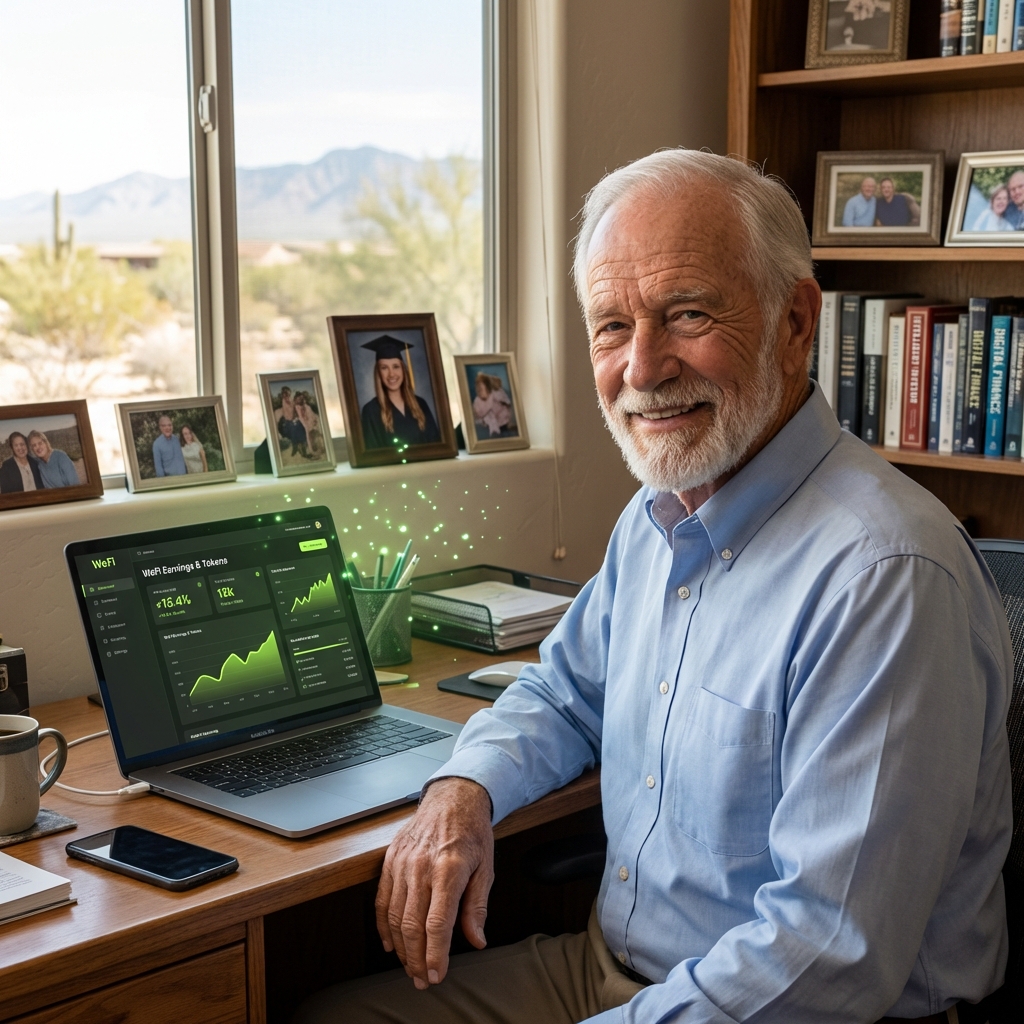
Jody, a seventy-nine-year-old retired finance executive in Nevada, found WeFi, a new decentralized bank concept, and jumped in. It’s right in his sweet spot: banking, networking, helping others build wealth. He invested early and started talking to his friends and family. Because it has a referral program, he earns NOW money on everyone who signs up.
Result: $15K+ earned, $2K+/month residual
“79 years old. Shows no signs of slowing down.”
Solo vs. Swarm
Community as Multiplier
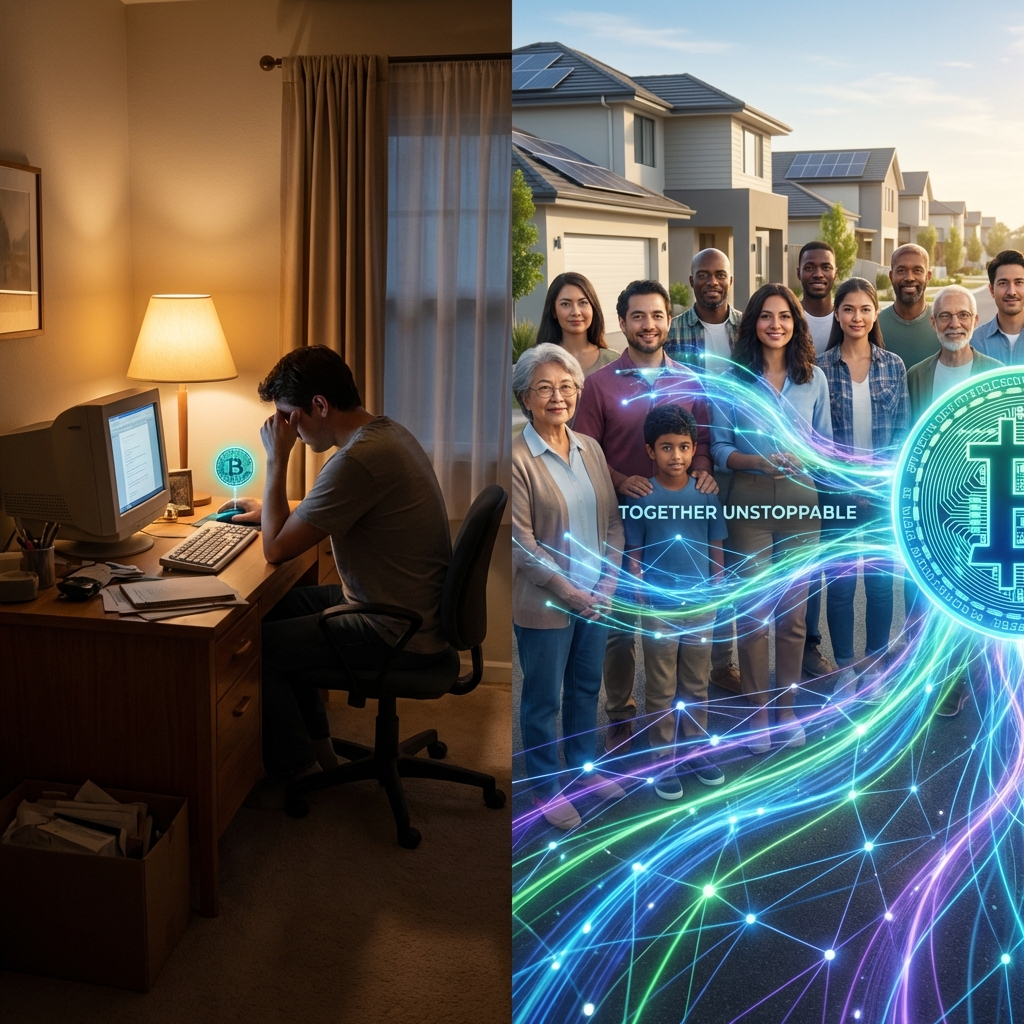
One person shows up, uses the product, shares it, earns a little. That’s good. A whole community shows up together—focused, aligned, loud—and suddenly the game changes. This isn’t traditional capitalism, where winners take all and the rest get scraps. This is collective capitalism: where the crowd owns a real piece of the pie, and everyone who contributes gets to eat.
Example: Imagine a neighborhood group in Austin backs a local solar project. They share it on Nextdoor, Facebook, TikTok. They buy panels, install them, review them. Together, they negotiate a bigger royalty slice—cash or digital assets—from every kilowatt sold. Now each household gets monthly yield that covers their electric bill.
“Collective participation = better terms, bigger yields”
Solo vs. Swarm