The Fire We Lost
We didn’t start with bosses and paychecks. We started with fire.
The First Economy (2M Years Ago)
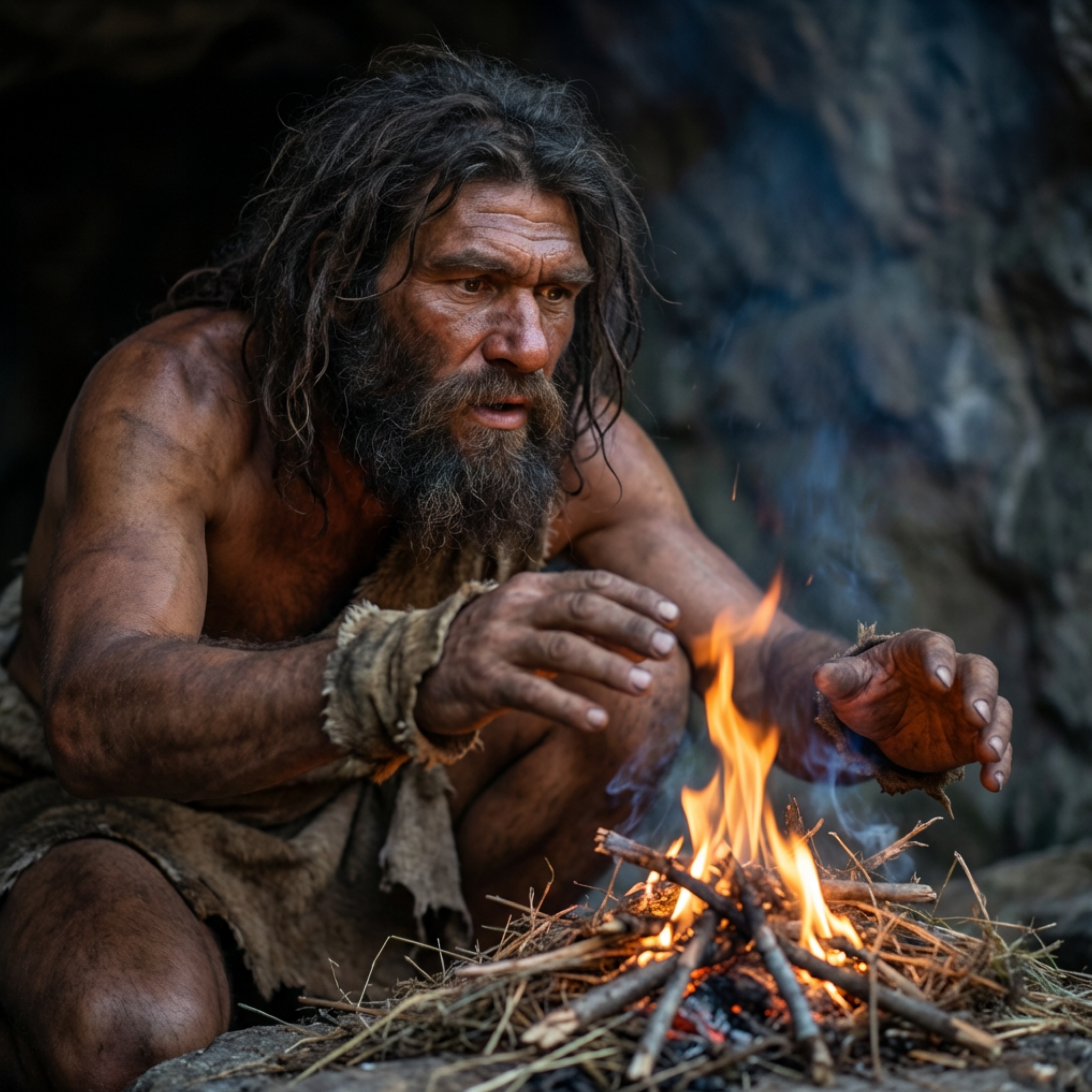
The First Economy (2M Years Ago)
For two million years, our ancestors controlled fire. No one owned the flame. You had fire, you shared it. You cooked, you warmed, you protected. The group survived because everyone kept the fire going. Contribution wasn’t optional—it was survival. The reward? Life. Everyone got to eat. Everyone got to stay warm.
That was the first economy: participatory by necessity. No kings. No corporations. Just humans doing what they could, and everyone got a piece of the heat.
“The fire belonged to the group”
The Machine Age
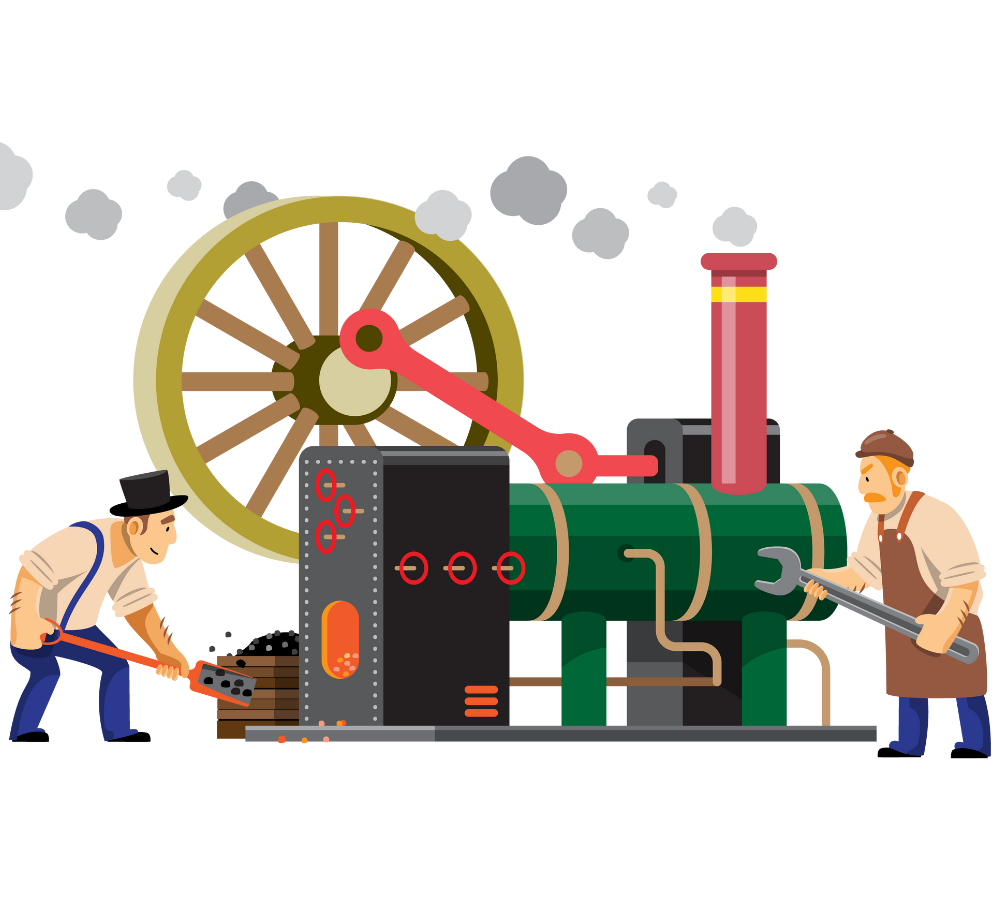
Around 1760, James Watt perfected the steam engine. Suddenly you didn’t need rivers or wind or muscle to power things. Factories popped up. Production exploded. For the first time, humans could produce more than they needed. Wealth grew.
But the machines belonged to someone. Usually a rich guy who could afford the steam engine, the building, the coal. The rest went to work. They operated the machines. They got paid. Not much, but more than before.
“A new deal was born: you sell your time, you get money. The upside stays with the owner.”
1760
Steam Era
Post-WWII
Golden Age
Today
Web3
The Machine Age
The Golden Age (Post-WWII)

The Golden Age (Post-WWII)
Then came the boom after World War II. Assembly lines. Cars. Refrigerators. The United States and Europe built the middle class on one promise: if you play by the rules—go to school, get a job, stay loyal—you get a house, a car, a retirement.
It was the golden age of the paycheck. You traded forty hours a week for security. Pensions. Health insurance. The dream felt real.
“Work for wages. Save for the future. That’s enough, we told ourselves.”
The Internet Explosion
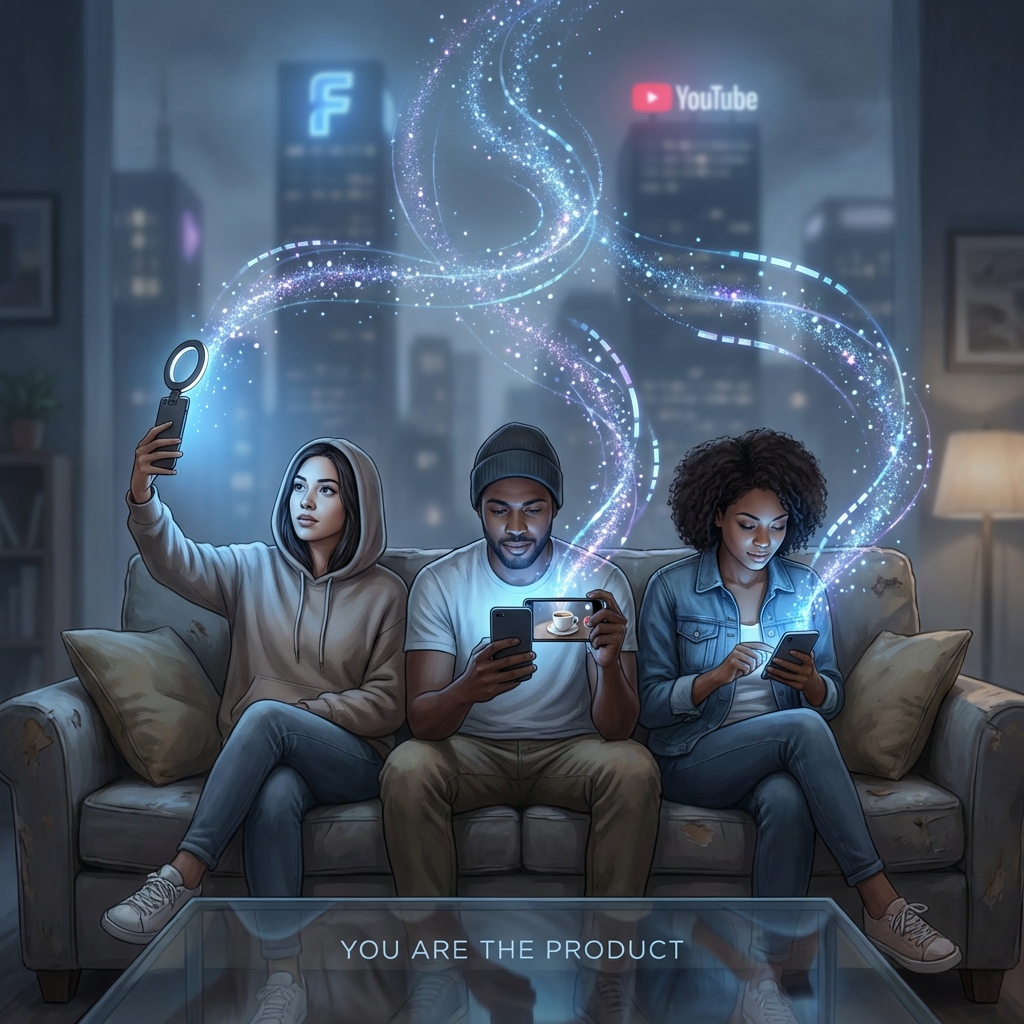
The internet was supposed to change this. At first, we called it Web 1.0—static pages, digital brochures. Then came Web 2.0. Facebook. YouTube. The iPhone. Suddenly everyone could create. Post a photo. Upload a video. Billions of people started making content—every day, all day.
And that content became the new oil. Big tech figured it out first. They didn’t make the content. They built the platforms. They let us fill the pipes with our lives—photos, opinions, secrets. Then they sold the attention to companies.
“We thought we were customers. We were the product.”
The Internet Explosion
The First Crack: Bitcoin

The First Crack: Bitcoin
Then came 2008. Satoshi Nakamoto drops a nine-page paper. Bitcoin. Peer-to-peer electronic cash. No banks. No governments. Just code. It sounded crazy. Then it worked. The first transaction: ten thousand bitcoins for two pizzas. Worth millions now.
But Bitcoin wasn’t just money. It was proof. You could own something digital, scarce, and borderless. You could send value without permission. That was the first time since the cave that ownership could belong to anyone—not just the guy with the land or factory.
“You could own something digital, scarce, and borderless”